EverQuest Smithing Guide: A Comprehensive Overview (Updated 05/04/2026)
Smithing in EverQuest is a core tradeskill, forging metal into armor, weapons, and vital items; mastering it requires efficient strategies and resource management.
Smithing, a cornerstone of EverQuest’s crafting system, represents the art of metallurgical combination, transforming raw metals into functional and powerful items. This tradeskill allows players to forge essential armor – including chain and plate – alongside a variety of weapons, often specializing in potent bane types. While many classic recipes remain, smithing has evolved significantly over time, with new additions and adjustments continually shaping the landscape.
Despite these changes, the core challenge of smithing persists: it’s notoriously difficult and often frustrating, demanding numerous combine attempts for even a single skill increase or successful item creation. This guide aims to navigate these complexities, offering strategies for efficient skill progression and maximizing rewards from the forge. Prepare to sweat over a hot forge!
What is Smithing?
Smithing is fundamentally the process of combining different metal types within EverQuest to produce a diverse range of useful products. This encompasses everything from practical cooking utensils to formidable armor sets and devastating weapons. Blacksmithing, often referred to simply as smithing, is a specialized branch focusing on metallurgical artistry.
A skilled smith isn’t merely a crafter; they are a vital component of the game’s economy and player progression. Items benefiting from the smithing skill include those gained through quests, like the Beginner Smith Trophy. Mastering this tradeskill unlocks the ability to create highly sought-after gear, contributing significantly to a character’s power and self-sufficiency.
The Role of a Smith in EverQuest
Within EverQuest, a smith occupies a crucial position, extending far beyond simply crafting items. They are integral to the game’s economy, supplying players with essential gear – chain and plate armor, robust shields, and specialized weapons, including potent bane weapons. A proficient smith can significantly impact a character’s ability to overcome challenges.
Furthermore, smiths contribute to the broader community by fulfilling demands for crafted goods. The ability to create items with smithing skill modifiers, like the Beginner Smith Trophy, demonstrates their value. While often a challenging tradeskill, requiring numerous combines for even minimal progress, a dedicated smith reaps substantial rewards.
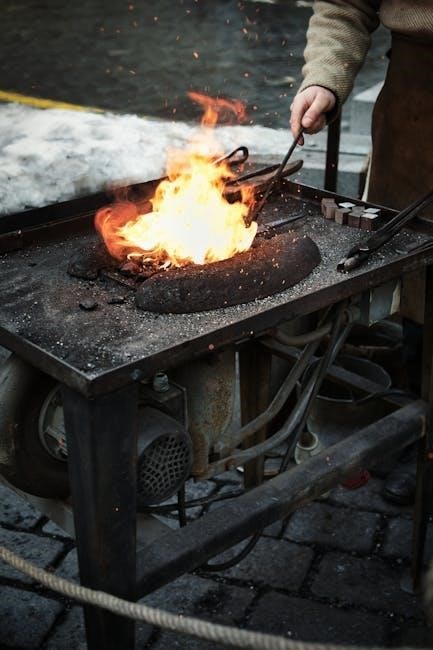
Getting Started with Smithing
Embarking on smithing requires overcoming initial skill-up hurdles, potentially benefiting from the Beginner Smith Trophy quest and acquiring essential tools for success.
Initial Skill-Up Challenges
Smithing, particularly in Classic EverQuest, presents significant initial challenges. Many players find the early levels frustrating, often requiring numerous combine attempts for even a single skill increase. Unlike some other tradeskills, consistent progress isn’t guaranteed with each craft. Expect to perform dozens of combines hoping for a skill point or a usable item.
The process can feel incredibly slow and resource-intensive, demanding patience and a willingness to experiment. Early recipes frequently yield low-quality items or, worse, failures. This necessitates careful material management and a strategic approach to minimize wasted resources. It’s a test of dedication, as smithing demands persistence to overcome these initial hurdles and unlock its potential.
Successfully navigating these early stages is crucial for building a solid foundation for future advancement in the tradeskill.
The Beginner Smith Trophy Quest
The Beginner Smith Trophy quest offers a valuable early boost for aspiring smiths in EverQuest. This quest, available to all classes, provides a small but significant skill increase upon completion. Players can obtain up to three Beginner Smith Trophies, offering a cumulative skill gain. It’s a relatively straightforward quest, making it an ideal starting point for new smiths seeking to accelerate their initial skill progression.
Interestingly, there’s a noted interaction with the Beginner Potter’s quest; completing pottery for that quest can inadvertently grant credit towards the smithing quest, specifically for the initial pot turn-in requirement. This can provide a slight efficiency bonus for players pursuing both tradeskills simultaneously.
It’s a simple, yet effective, way to gain early experience.
Essential Tools for a New Smith
Starting your smithing journey in EverQuest requires a few key tools. A Tanaan Smithing Hammer is crucial, obtainable from Boiron Ston in the Eastern Trader Building of PoK (location -375, 500). This hammer is a necessary purchase for any aspiring smith. Beyond the hammer, having sufficient coin for materials is paramount, as smithing often demands numerous combine attempts for even a single skill increase.
While not strictly required initially, investing in containers to manage your growing inventory of ores and crafted items is highly recommended. Efficient inventory management will save time and frustration as you progress. Remember, smithing can be a resource-intensive profession, so preparation is key.
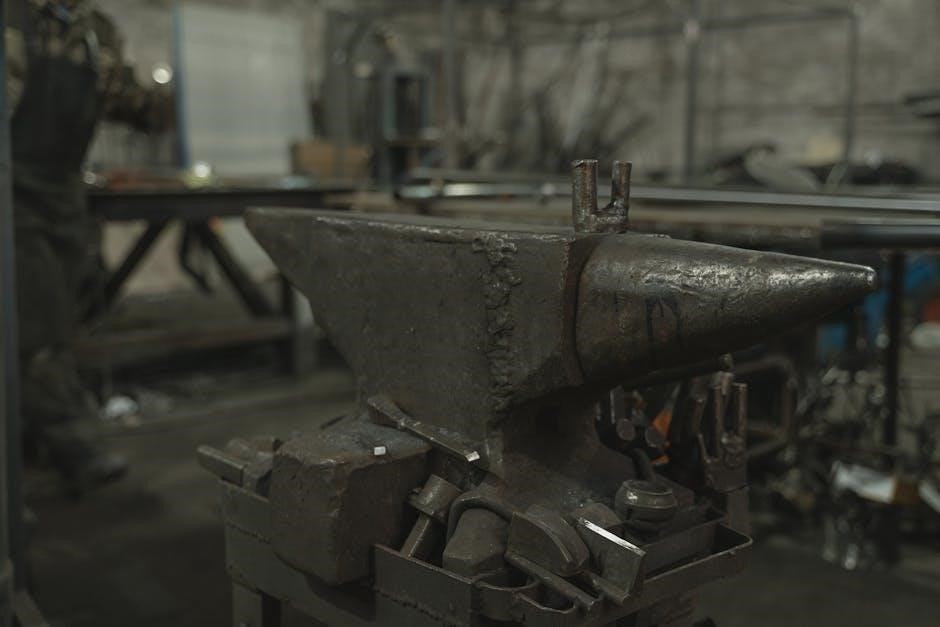
Skill Progression: Levels 1-50
Early smithing focuses on volume; expect many combines for minimal gains, as it’s notoriously difficult and frustrating to level initially.
Early Recipes and Materials
Smithing’s initial stages demand readily available resources. New smiths will primarily work with iron ore, coal, and copper ore, easily obtainable through mining or purchase from vendors. Early recipes center around simple iron and copper items, like iron short swords, copper bracelets, and iron practice weapons. These provide minimal skill gains but are crucial for building a foundation.
Focus on crafting iron daggers and copper rings as they offer a reasonable skill-up chance for the effort. Remember that success rates are low, requiring numerous attempts. The Beginner Smith Trophy quest provides a small boost, but don’t rely on it solely. Expect frequent combine failures and a slow progression during these initial levels. Patience is key, and efficient resource gathering will be vital for sustained skill-ups.
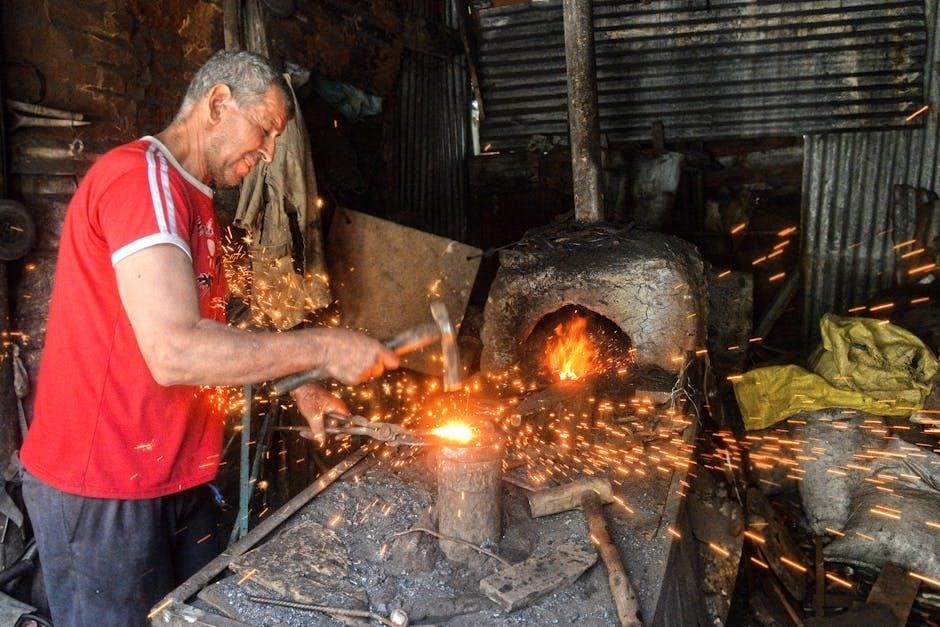
Efficient Skill-Ups: Focusing on Volume
Smithing progression, particularly in the early to mid-levels, heavily favors a volume-based approach. Given the often-low success rates and minimal skill gains per successful combine, crafting large quantities of the same item is more efficient than chasing rarer, higher-skill recipes. Prioritize recipes with readily available materials and a decent, albeit inconsistent, skill-up chance.
Repeatedly crafting iron short swords or copper rings, despite the frustration of failures, will yield consistent progress over time. Accept that many combines will result in no skill gain; it’s part of the process. Focus on minimizing downtime by maintaining a steady supply of materials and streamlining your crafting process. This method, while tedious, is demonstrably faster than attempting complex recipes prematurely.
Common Combine Issues and Troubleshooting
Smithing often presents frustrating combine failures. A frequent issue is “skill capped” messages, indicating your skill exceeds the recipe’s requirements – seek higher-level recipes. “You fail to forge anything” is common, highlighting the inherent randomness. Ensure correct reagent quantities and types; even slight errors cause failure. Occasionally, server lag or disconnects interrupt combines, wasting materials.
If consistently failing a recipe within your skill range, verify the recipe’s accuracy using online resources. Some recipes have hidden skill caps or require specific conditions. Consider using skill modifiers from quested items like the Beginner Smith Trophy to boost success rates. Patience is key; Smithing is notoriously difficult, requiring numerous attempts.
Skill Progression: Levels 51-100
Intermediate recipes demand strategic resource gathering, focusing on efficient combines to maximize skill gains and unlock crafting potential during this progression phase.
As you progress from levels 51 to 100 in EverQuest smithing, the recipes become significantly more complex, demanding a wider range of materials and a deeper understanding of the crafting process. No longer can you rely solely on simple, readily available components. This stage introduces metals like refined steel and dark metal, requiring dedicated farming or shrewd trading with other players.
Expect to encounter recipes for improved chain and plate armor components, as well as more potent weapon designs. These items often necessitate combining multiple materials in specific ratios, increasing the risk of failed combines. Careful planning and a solid understanding of the combine mechanics are crucial for success. The intermediate tier also begins to introduce the concept of quality modifiers, impacting the stats of the crafted item.
Successfully navigating this phase requires a shift in mindset – from simply churning out skill-ups to crafting items with actual value and purpose.
Resource Gathering Strategies
Efficient resource gathering is paramount for any aspiring EverQuest smith. Raw materials like ore and metal scraps are the lifeblood of the profession, and securing a consistent supply is vital. Optimal farming locations vary depending on the specific resource, but zones like the Mines of Moria and the Cobalt Plateau are known for their rich deposits of ore.
Beyond direct farming, the auction house and player trading offer alternative avenues for acquisition. Monitoring market trends and identifying undervalued materials can yield significant savings. Consider establishing relationships with other players – particularly those involved in mining or foraging – to secure a reliable source of resources.
Remember to diversify your gathering efforts. Relying on a single source can leave you vulnerable to shortages or price fluctuations.
Maximizing Skill Gains with Specific Combines
Skill progression in EverQuest smithing can be notoriously slow, demanding strategic combine choices. Focusing on volume is often effective at lower levels, but as you advance, specific recipes offer superior skill-up potential. Identifying these “sweet spots” is crucial for efficient training.
Certain metal combinations, while not necessarily producing valuable items, yield disproportionately high skill gains. Experimentation and consulting online resources are recommended to discover these optimal combines. Be prepared for frequent failures, as smithing often requires dozens of attempts for a single skill increase.
Utilize skill modifiers whenever possible, such as those obtained from quests, to further accelerate your progress.
Skill Progression: Levels 101-150
Advanced smithing demands rare materials and complex recipes, focusing on crafting marketable items and mastering skill modifiers for optimal gains.
Advanced Recipes and Material Requirements
Reaching levels 101-150 in EverQuest smithing unlocks a realm of intricate recipes demanding substantial resource investment. Expect to utilize high-tier metals like refined platinum, adamantite, and even rarer components obtained from challenging encounters. These advanced combines frequently require specialized ingredients beyond simple ores – think dragon scales, rare hides, and meticulously crafted components from other tradeskills.
Successfully crafting items like bane weapons, high-quality plate armor, and powerful shields necessitates careful planning and efficient resource gathering. The material requirements escalate dramatically, often involving multiple combines to create prerequisite items before the final product. Understanding the market value of these advanced crafts is crucial, as the cost of materials can be significant. Preparation and a solid understanding of the economy are key to profitable advanced smithing.
The Importance of Skill Modifiers
As you progress in EverQuest smithing, skill modifiers become increasingly vital for successful crafting. These modifiers, often obtained through quest rewards or specific gear, directly impact your chances of a successful combine and the quality of the resulting item. A higher smithing skill modifier reduces the risk of failures, especially with complex recipes.
The “Beginner Smith Trophy,” obtainable through a quest, provides an initial skill boost. However, advanced smiths seek out more potent modifiers. These can come from various sources, including class-specific quests and rare drops. Maximizing your skill modifier is essential for crafting high-demand items and minimizing wasted resources, ultimately boosting your smithing efficiency and profitability.
Crafting for Profit: Identifying Marketable Items
Successful smithing isn’t just about skill; it’s about recognizing market demands in EverQuest. Identifying profitable items requires monitoring auction house trends and understanding player needs. Certain bane weapons, particularly those effective against specific monster types, consistently command high prices. Similarly, well-crafted chain and plate armor are always in demand, especially for newer players or those gearing up for challenging content.
Focusing on items with limited supply and high demand maximizes your return on investment. Regularly assess the market to adapt your crafting focus. Don’t overlook the potential of crafting essential items like cooking utensils, which, while less glamorous, offer consistent sales.
Advanced Smithing Techniques
Advanced smithing involves mastering metal types, creating potent bane weapons, and skillfully crafting durable chain and plate armor for discerning EverQuest adventurers.
Understanding Metal Types and Their Uses
Smithing proficiency hinges on understanding diverse metal properties within EverQuest. Each metal dictates item characteristics, influencing crafting choices significantly. Iron, readily available, forms basic armor and weapons, ideal for early skill-ups. Steel, a stronger alloy, requires higher skill and yields superior durability.
Mithril offers exceptional lightness and strength, perfect for agile characters seeking high armor class without encumbrance. Thundersteel, rarer still, imbues items with electrical resistance and damage. Finally, Adamantine represents the pinnacle of smithing, creating incredibly resilient and powerful gear.
Selecting the correct metal isn’t merely about stats; it’s about tailoring equipment to specific roles and combat scenarios. Consider resistances, weight, and desired damage output when choosing your materials. Experimentation is key to unlocking the full potential of each metal type.
Bane Weapon Creation
Smithing truly shines with Bane weapon creation, offering substantial damage bonuses against specific creature types in EverQuest. These specialized weapons require significant skill and rare components, making them highly sought after. Creating a bane weapon involves combining a base weapon with a ‘bane’ component, like a spider venom or draconian scale.
Each bane type targets a particular enemy – for example, a Frostbane weapon excels against cold-resistant creatures. Successfully crafting a bane weapon demands precise combines and often involves overcoming challenging skill checks.
The rewards are considerable; a well-made bane weapon can dramatically increase a warrior’s or ranger’s effectiveness in specific zones. Mastering bane creation is a hallmark of a skilled EverQuest smith.
Chain and Plate Armor Crafting
Smithing allows for the creation of robust Chain and Plate armor, essential for high-level characters in EverQuest. Chain armor, typically crafted at lower to mid-levels, provides a good balance of protection and weight. Plate armor, requiring higher skill and rarer materials, offers superior defense but is heavier.
Crafting these armor types involves combining metal ingots with various components like leather, padding, and reinforcing materials. The quality of the materials directly impacts the armor’s stats, making resource gathering crucial.
Master smiths can create customized armor sets with beneficial stats, catering to specific classes and playstyles. Successfully crafting high-quality Chain and Plate armor is a significant achievement and a lucrative endeavor.
Resource Management for Smithing
Effective resource management—farming, trading, and inventory control—is vital for successful EverQuest smithing, ensuring a steady supply of metals and components.
Optimal Farming Locations
Securing a consistent supply of raw materials is paramount for any aspiring EverQuest smith. Several zones stand out as prime locations for resource gathering. The Plane of Knowledge (PoK) offers a centralized hub for trading and access to various ore nodes. Specifically, the area around the Eastern Trader Building, near Boiron Ston, is frequently mentioned for Shadowscr.
For lower-level smiths, the zones of East and West Karana provide accessible iron and copper deposits. Kunark, particularly the zones of Firiona Vie and Chanon Dar, are known for their abundance of higher-tier ores like steel and mithril. Remember to consider competition from other players when choosing a farming spot. Scouting less-populated servers or times can significantly improve your yield. Utilizing tracking skills and efficient travel methods will also maximize your resource acquisition.
Trading and Auction House Strategies
Maximizing profits from your smithing endeavors requires shrewd trading and auction house utilization. The Plane of Knowledge (PoK) remains a central trading hub, facilitating direct transactions with other players. However, the Auction House offers broader reach and potential for higher returns, especially for crafted items with specific stat combinations or in high demand.
Researching current market prices is crucial. Regularly check the Auction House to identify profitable items to craft. Consider specializing in niche products, like bane weapons, to minimize competition. Don’t underestimate the value of bulk selling common materials. Be patient and list items strategically, adjusting prices based on demand. Networking with other players and guilds can also open up exclusive trading opportunities.
Managing Your Smithing Inventory
Efficient inventory management is paramount for a successful smith. Smithing consumes vast quantities of ore, metal, and crafting components. Utilize multiple characters, ideally mules, to store raw materials, freeing up space on your primary smith. Consider investing in larger bags and container options to maximize carrying capacity.
Organize your inventory logically – separate ores, metals, and finished products. Regularly sell off excess materials you won’t immediately need. The Auction House is ideal for offloading surplus, while vendors provide a quick, albeit less profitable, alternative. Don’t hoard unnecessary items; space is valuable. A well-organized inventory streamlines crafting and minimizes wasted time searching for components.
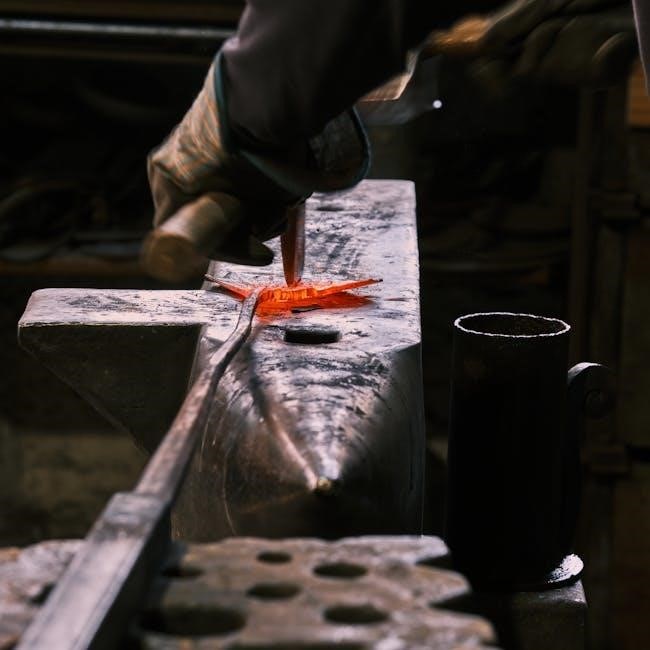
Smithing Quests and Rewards
Completing smithing quests, like the Beginner Smith Trophy quest, provides valuable recipes and skill-ups, enhancing your crafting abilities and long-term progression.
The Beginner Potter’s Quest Interaction
Interestingly, a notable interaction exists between the Beginner Smithing and Beginner Potter’s quests. Players have discovered that completing the pottery quest, specifically creating and turning in the two required pots, can inadvertently grant credit towards the Beginner Smithing quest as well. This means the same crafted items fulfill requirements for both tradeskills simultaneously.
However, it’s crucial to understand the limitations. While you receive credit for creating the pots for both quests, turning them in only grants full completion credit for one quest at a time. Essentially, you won’t double-reward for the turn-in itself, but the initial crafting step is recognized across both skill lines. This quirk offers a slight efficiency boost for new players starting both smithing and pottery, streamlining the early questing experience.
Quest-Specific Recipes and Benefits
Smithing quests often unlock unique recipes unavailable through standard skill-up methods. A prime example is the Beginner Smith Trophy, obtainable through a dedicated questline, providing a modest skill modifier. This trophy, limited to a maximum of three, offers a small but consistent boost to smithing skill gains during combines.
Beyond the trophy, certain quests introduce specialized recipes for items with enhanced stats or unique properties. These quest-rewarded recipes can be invaluable for crafting marketable goods or equipping your own character. Completing these quests isn’t just about skill progression; it’s about accessing exclusive crafting opportunities, potentially leading to significant profit and a competitive edge in the EverQuest marketplace.
Long-Term Quest Goals for Smithing
Dedicated smiths should aim to complete all available questlines, as they unlock access to increasingly complex and rewarding recipes. While the initial Beginner Potter’s quest interaction provides a shortcut for early skill-ups, long-term goals involve quests that introduce advanced materials and techniques.
Focusing on quests that reward patterns for bane weapons or high-end armor pieces is crucial for maximizing crafting potential. These quests often require significant resource investment and dedication, but the resulting items are highly sought after by players. Ultimately, the long-term goal is to establish a self-sufficient crafting operation capable of producing top-tier equipment, driving both profit and prestige within the EverQuest community.