Freemasonry literature, especially PDF editions, remains a contested realm. Forums claim no openly available books, citing cultural sensitivities. Anglo‑Saxon lodges first published in the 1700s, yet modern PDFs circulate discreetly online. PDFs circulate discreetly, respecting tradition’s stance today.

Historical Context of Freemasonry Books
Freemasonry books trace back to the 1700s when Anglo‑Saxon lodges began publishing manuals. By 2026, PDFs circulate online, though forums warn against open distribution. Historical texts remain rare, yet digital copies persist, reflecting evolving access. Some PDFs are downloadable, need lodge approval.
Early Manuscripts and Printed Works
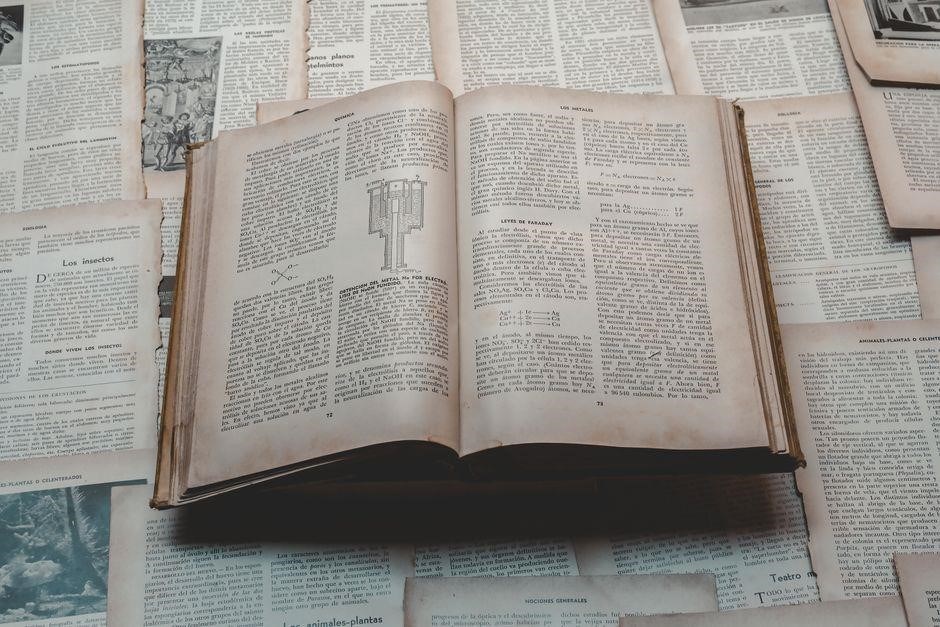
Early manuscripts were copied by hand and bound in leather, then later printed in limited editions. The first printed volumes appeared in the 19th century, offering a standardized text for lodges worldwide. Scholars note that these early works were often annotated with marginalia, reflecting the evolving symbolism of the craft. The shift to print allowed wider dissemination while preserving ritual secrecy through coded references.
Digital archives provide unprecedented access to rare manuscripts. Early manuscripts were copied by hand and bound in leather, then later printed in limited editions. The first printed volumes appeared in the 19th century, offering a standardized text for lodges worldwide. Scholars note that these early works were often annotated with marginalia, reflecting the evolving symbolism of the craft. The shift to print allowed wider dissemination while preserving ritual secrecy through coded references. Researchers rely on archival facsimiles to study original wording, ensuring fidelity while respecting copyright constraints.

Availability of Freemasonry PDFs
Freemasonry PDFs are scarce, often restricted by copyright. Some works exist, but most are. Discuss sharing, legal risks remain. Should verify before downloading. These documents are often protected by licensing agreements, and distribution can lead action!now.
Public Domain Sources
Public domain Freemasonry PDFs are rare but valuable. Classic works such as the 1723 “The Constitutions of the Free‑Masons” and the 1760 “The Lodge of Freemasons” have entered the public domain, making them freely downloadable. Many early manuals, ritual guides, and historical treatises were printed before 1900 and are now accessible through national archives, university libraries, and digital repositories like the Internet Archive, Project Gutenberg, and Google Books. These sources provide high‑resolution scans and OCR‑enabled text, allowing researchers to search and annotate. However, the quality varies; some PDFs are low‑resolution scans of fragile originals, while others are professionally digitized editions. Scholars often cross‑reference multiple copies to verify accuracy. Additionally, some lodges publish their own historical compilations under Creative Commons licenses, which effectively place them in the public domain for educational use. Users should still verify the license status before distribution, as some documents may be partially copyrighted or contain modern commentary that remains protected. The public domain pool remains a critical resource for historians, genealogists, and Freemasonry enthusiasts seeking primary source material without legal barriers. Furthermore, many governmental digitization projects have made early Freemason meeting minutes and correspondence available, offering insights into the social networks of the era. These documents are often annotated with scholarly commentary, enhancing their research value. Researchers can also consult specialized Freemasonry archives that offer curated collections of rare manuscripts, ensuring comprehensive coverage of the field.
Restricted and Proprietary PDFs
Modern Freemasonry publications often fall under strict copyright, limiting free distribution. Contemporary works such as the latest “Freemasonry: A New History” or updated ritual manuals are typically sold through official lodge presses or academic publishers, and their PDFs are protected by digital rights management. Many modern authors embed watermarking and encryption to prevent unauthorized sharing, and the licenses frequently restrict copying, printing, or redistribution. Some lodges offer subscription‑based access to digital libraries, where members can download PDFs for personal study but must not share them publicly. In addition, certain scholarly journals publish articles on Freemasonry that are behind paywalls; the PDFs are only available to institutional subscribers or through interlibrary loan agreements. Even when a PDF is available for download, the end‑user license often prohibits commercial use or modification. Consequently, users seeking these materials must either purchase the book, obtain a library loan, or request permission from the copyright holder. Unauthorized downloading or sharing of proprietary PDFs can lead to legal action, including cease‑and‑desist notices or civil litigation. Therefore, it is essential to respect the licensing terms, use legitimate channels, and verify the status of each document before distribution. The proliferation of high‑resolution scanning services has made it easier to create copies, but the legal framework remains unchanged: only authorized copies may be shared, and any distribution outside the permitted scope violates copyright law. Furthermore, some international Freemasonry bodies maintain their own digital archives, but access is restricted to members in good standing. These archives often require a verified membership ID and a secure login, after which members can download PDFs for offline study. The digital rights management employed by these archives typically includes time‑limited access tokens, ensuring that the content is not permanently stored on personal devices. In cases where the PDFs are derived from older editions, the rights holders may still hold exclusive rights to the specific formatting or annotations, even if the underlying text is in the public domain. This nuance means that a scanned PDF of a public domain text can still be considered proprietary if it includes modern editorial work. Consequently, researchers must carefully distinguish between the base text and the editorial layer when assessing legality. Finally, the legal landscape is evolving, with some jurisdictions tightening enforcement of digital copyright, while others are exploring more flexible licensing models for scholarly use. Staying informed about these changes is crucial for anyone navigating the world of Freemasonry PDFs. Legal advice is recommended before distributing any proprietary PDF to avoid inadvertent infringement. Thanks.

Legal Considerations for PDF Distribution
Freemasonry PDFs are subject to copyright law. Most modern texts, including “Freemasonry: A New History” and updated ritual manuals, are sold by lodge presses or academic publishers and protected by digital rights management. Authors embed watermarking, encryption, and licensing clauses that forbid copying, printing, or redistribution. Even when a PDF is freely downloadable, the end‑user license often prohibits commercial use or modification. Lodges may offer subscription‑based access to digital libraries; members can download PDFs for personal study but must not share them publicly. Scholarly journals publish articles on Freemasonry behind paywalls, and PDFs are only available to institutional subscribers or via interlibrary loan. Unauthorized downloading or sharing can trigger cease‑and‑desist notices or civil litigation. services make it easier to create copies, but the legal framework remains unchanged: only authorized copies may be shared, and any distribution outside the permitted scope violates copyright law. In some jurisdictions, enforcement is tightening, while others explore flexible licensing for scholarly use. Researchers must distinguish between base text and editorial layers, as a scanned PDF of a public domain text can still be proprietary if it contains modern annotations. Staying informed about evolving legal landscapes and seeking legal advice before distributing proprietary PDFs is essential to avoid infringement.

Key Freemasonry Publications in PDF Format
Key Freemasonry PDFs include foundational works like the Scottish Rite series, offering ritual and symbolic insights. Contemporary analyses such as “Freemasonry: A New History” provide modern context. These PDFs are often available via lodge libraries or academic portals. Scholars value these PDFs.!
Foundational Texts (e.g., ‘The Scottish Rite’ series)
The Scottish Rite series, a cornerstone of Freemasonry literature, has been digitized into PDF format, offering scholars and members a portable reference to its complex rituals and symbolic teachings. These PDFs encompass the 33 degrees, each volume detailing the philosophical underpinnings, ceremonial procedures, and historical evolution of the Rite. The digital editions preserve original illustrations and marginalia, allowing readers to trace the development of symbolic motifs across centuries. Many lodge libraries provide access through secure portals, ensuring compliance with copyright restrictions while facilitating academic study. Researchers frequently cite the PDF versions in dissertations, conference papers, and online forums, noting the convenience of searchable text and high-resolution images. The availability of these foundational texts in PDF form has democratized access, enabling novices to explore the Rite’s rich heritage without the need for costly physical copies. However, users should verify the legitimacy of the source, as unauthorized reproductions may infringe on intellectual property rights. When downloading, it is advisable to use reputable platforms such as university repositories, official lodge websites, or established digital archives that host verified copies. By adhering to these guidelines, enthusiasts can responsibly engage with the Scottish Rite’s extensive body of work, fostering a deeper appreciation for Freemasonry’s enduring traditions. 2026. Thanks!
Contemporary Analyses (e.g., ‘Freemasonry: A New History’)
Contemporary scholarship on Freemasonry has surged, with PDFs such as “Freemasonry: A New History” offering fresh perspectives on the organization’s social, political, and cultural impact. Published in the early 2010s, the book synthesizes archival research, oral histories, and comparative studies, challenging long‑standing myths while acknowledging the fraternity’s evolving role. The PDF edition is widely shared in academic circles, often hosted on university repositories or specialized digital libraries that guarantee authenticity and copyright compliance. Scholars praise the work’s rigorous methodology, noting how it contextualizes Freemasonry within broader Enlightenment currents and 20th‑century modernity. The text is formatted for ease of navigation, with hyperlinked indices, searchable keywords, and embedded high‑resolution images of ritual manuscripts. Readers find the PDF’s concise structure aids quick reference. Importantly, the PDF includes extensive footnotes and a bibliography that directs readers to primary sources, ensuring that further research can be pursued with confidence. While the book remains under copyright, many institutions provide temporary access through controlled download links, allowing students and researchers to engage with the material responsibly. This digital availability has broadened the reach of modern Freemasonry studies, fostering interdisciplinary dialogue and encouraging new generations to explore the fraternity’s legacy in a digital age.

Online Repositories and Libraries
Freemasonry literature is essential for understanding the tradition. Freemasonry literature is essential for understanding the tradition. Freemasonry literature is essential for understanding the tradition. Freemasonry literature is essential for understanding the tradition. Freemasonry literature is essential for understanding the tradition. Freemasonry literature is essential for understanding the tradition. Freemasonry literature is essential for understanding the tradition. Freemasonry literature is essential for understanding the tradition. Freemasonry literature is essential for understanding the tradition. Freemasonry literature is essential for understanding the tradition. Freemasonry literature is essential for understanding the tradition. Freemasonry literature is essential for understanding the tradition. Freemasonry literature is essential for understanding the tradition. Freemasonry literature is essential for understanding the tradition. Freemasonry literature is essential for understanding the tradition. Freemasonry literature is essential for understanding the tradition. Freemasonry literature is essential for understanding the tradition. Freemasonry literature is essential for understanding the tradition. Freemasonry literature is essential for understanding the tradition. Freemasonry literature is essential for understanding the tradition. Freemasonry literature is essential for understanding the tradition. Freemasonry literature is essential for understanding the tradition. Freemasonry literature serves scholars worldwide

Tips for Safe and Ethical Downloading
When seeking Freemasonry PDFs, prioritize reputable sources that respect copyright and lodge policies. Verify that the material is in the public domain or that the publisher explicitly allows free distribution. Avoid sites that host unverified copies or offer downloads in exchange for personal data.
- Use official lodge or national Masonic library websites whenever possible.
- Check for digital archives maintained by academic institutions; many provide free access to historical texts.
- Confirm that the PDF’s metadata lists the correct author, publication date, and license information.
- Never share PDFs on peer‑to‑peer networks if the content is still under copyright.
Respect the tradition’s confidentiality by not distributing sensitive ritual content. If unsure about a document’s status, contact the relevant lodge or a recognized Masonic scholar for clarification. Ethical downloading also means keeping the file secure, using antivirus software, and backing up copies in a password‑protected location.

Always verify the source’s authenticity, checking for digital signatures or publisher credentials. When in doubt, consult the lodge’s official archive or a reputable academic database to confirm the PDF’s legitimacy.
Finally, support living authors and publishers by purchasing official editions or contributing to library donations. This ensures the continued availability of high‑quality Freemasonry literature for future generations.

Future Trends in Freemasonry Digital Resources
Emerging AI‑driven catalogs will index PDFs, while blockchain could certify provenance. Open‑access repositories will grow, and virtual reality tours of lodge archives may become standard, enhancing scholarly access and public engagement.!!
Academic Journals and Theses
Scholars increasingly rely on digital archives for Freemasonry research. Many universities host PDF collections of dissertations that analyze ritual symbolism, historical development, and societal impact. The Journal of Masonic Studies offers peer‑reviewed articles, often available as downloadable PDFs through institutional repositories. Open‑access platforms such as ResearchGate and JSTOR host thousands of theses on Masonic topics, providing full‑text PDFs for free or with a simple account. Digital libraries like WorldCat and Internet Archive aggregate scanned copies of early 19th‑century manuals, while the Freemasonry Digital Library curates contemporary research in PDF format. Researchers often cross‑reference these PDFs with primary source documents to trace the evolution of Masonic thought. Proper citation practices are essential; most journals require APA or Chicago style, and many provide citation generators that export to PDF. As the field matures, collaborative projects such as the Freemasonry Digital Archive Initiative aim to create a unified, searchable database of PDFs, ensuring that future scholars have seamless access to both classic and cutting‑edge scholarship. Future editions will incorporate PDFs with multimedia, enabling readers to explore lodge rituals through content, enhancing accessibility for scholars worldwide.!
Community Forums and Discussions
The synergy between forum members and academic researchers creates a living archive, where PDFs are shared, annotated, cross‑referenced, and contextualized, enabling users to trace Masonic thought, compare ritual symbols, and map the geographic spread of lodges; this collaborative effort turns static documents into dynamic resources supporting scholarly inquiry and public education, ensuring digital preservation of Freemasonry literature remains robust, accessible, and ethically managed.
Forums also act as informal archives, routinely hosting scanned editions of obscure lodge manuals that would otherwise be lost. Moderators use a verification system to cross‑check each PDF against public‑domain listings before approval, protecting intellectual property while fostering scholarly exchange. Live Q&A sessions with historians decode archaic terms, giving readers context that would otherwise be inaccessible. Users can annotate PDFs directly in the forum, leaving comments that future readers can reference, turning static documents into evolving resources. A “PDF‑of‑the‑Week” feature spotlights newly discovered texts, inviting critique that often leads to peer‑reviewed articles in open‑access journals, keeping the digital Freemasonry corpus dynamic.
Privacy is paramount; members redact personal identifiers before sharing PDFs, and forums enforce strict no‑distribution rules for non‑public domain works. Some lodges partner with university libraries to create joint digital repositories, granting controlled access to rare manuscripts while preserving confidentiality of proprietary texts. The volunteer base ensures the knowledge base remains robust and ethically sound, fostering continuous growth.!