Understanding Invisalign Aligners
Invisalign aligners are custom‑made, transparent trays that gently shift teeth. Designed by Align Technology, they fit snugly, are removable, and use a series of progressive molds to move teeth gradually. Proper fit and consistent wear ensure effective, discreet orthodontic treatment. Ideal for care daily!?
Daily Wear and Removal Routine
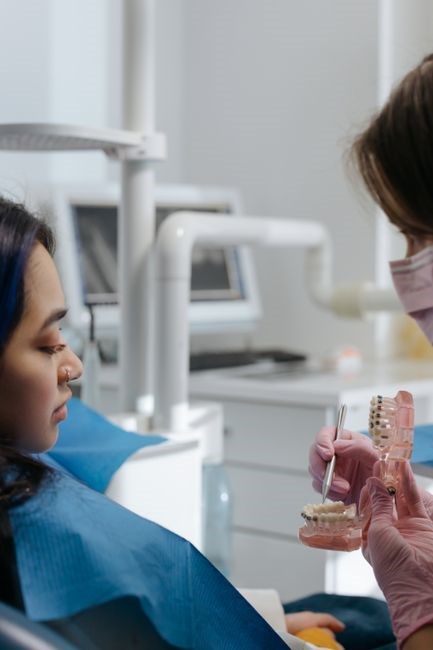
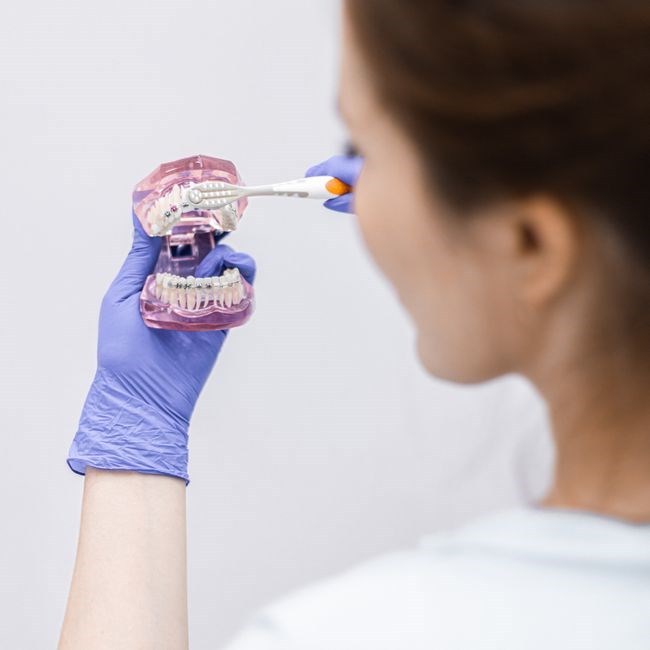
To achieve the best results from your Invisalign treatment, adhere to a consistent daily wear and removal routine. Each aligner should be worn for 20 to 22 hours per day, removing it only during meals, snacks, and when performing oral hygiene. Begin your day by rinsing your mouth with warm water to remove overnight plaque and debris. Place the aligner on your teeth, ensuring it sits snugly without forcing it into position; a proper fit will prevent discomfort. Use a soft‑bristled toothbrush to brush your teeth and the aligner simultaneously, applying gentle pressure and avoiding harsh scrubbing that could damage the clear plastic. After brushing, rinse the aligner with cool water, then reinsert it. When you finish brushing, remove the aligner, rinse it with a mild soap solution or a special Invisalign cleaning tablet, and store it in its case to keep it dry and protected. Consistency is key: missing even a single day can delay the overall treatment timeline and may require additional appointments. Keep a daily log of wear time, noting any discomfort or pressure points, and bring this information to your next scheduled check‑up with your orthodontist. During the removal process, avoid using hot water or harsh chemicals, as these can warp the aligner material. If you experience any pain or pressure, contact your provider promptly; adjustments may be necessary to maintain comfort and progress. If you notice any discoloration or staining on the aligner, clean it immediately with a gentle cleanser to prevent permanent staining. Avoid using toothpaste or mouthwash directly on the aligner, as the abrasives can scratch the surface. When storing the aligner overnight, place it in a dry, cool environment, avoiding direct sunlight or heat sources that could warp the plastic. If you lose an aligner, contact your provider immediately; a replacement is typically available, but delays can affect your treatment timeline.

Effective Cleaning Techniques
Maintaining pristine aligners is essential for both oral health and aesthetic appeal. Begin by rinsing the tray with lukewarm water to dislodge food particles. Then, gently brush the aligner with a soft‑bristle toothbrush and a mild, non‑abrasive toothpaste, avoiding any whitening or tartar‑control formulas that can scratch the surface. After brushing, rinse thoroughly with cool water and allow the aligner to air‑dry in a clean, dry case. For deeper cleaning, use a dedicated Invisalign cleaning tablet or a small amount of mild dish soap, swirling the aligner in the solution for 15–20 seconds before rinsing. Avoid using hot water or harsh chemicals, as they can warp the clear plastic. If stains persist, repeat the tablet cycle. Store the aligner in a cool, dry environment, away from direct sunlight, to prevent discoloration. Regular cleaning not only removes plaque but also reduces bacterial buildup, ensuring a healthier mouth and preventing gum irritation. Follow the manufacturer’s guidelines and replace cleaning tablets every 30–60 days, or sooner if you notice a buildup of residue. Consistent care will extend the lifespan of your aligners and keep your smile bright throughout the treatment period. After each meal, remove the aligner, rinse your mouth, and then brush your teeth with a fluoride toothpaste. Place the aligner back only after brushing and flossing to avoid trapping food particles. Use a small, soft brush to clean the interior of the aligner if necessary, and always rinse the case after each use..
Dietary Guidelines and Restrictions
When wearing Invisalign, your diet can influence both comfort and the longevity of the aligners. Stick to soft foods that do not require excessive chewing, such as yogurt, smoothies, mashed potatoes, and scrambled eggs. Avoid sticky, chewy, or hard items—think caramel, nuts, popcorn, and raw carrots—that can catch in the trays and cause damage or discomfort. Sugary drinks and acidic beverages like soda, sports drinks, and citrus juices should be limited, as they can erode enamel and promote bacterial growth. Instead, opt for water, milk, or unsweetened tea, and rinse your mouth after consuming any sugary or acidic foods. If you enjoy coffee or tea, consider using a straw to reduce contact with the aligners. When you do take a break from wearing, remove the aligners before eating or drinking anything other than plain water. This helps prevent staining and keeps the trays clear. For snacks, choose low‑sugar options such as cheese sticks, fruit slices, or a handful of almonds. Remember to brush your teeth and floss before reinserting the aligners to avoid trapping food particles. Finally, maintain a consistent schedule: wear the aligners for the prescribed 20–22 hours daily, and replace them as directed by your orthodontist. By following these dietary guidelines, you protect your aligners, preserve oral hygiene, and support the progress of your orthodontic treatment.
Additionally, consider using a silicone aligner cleaning brush to gently remove debris from hard‑to‑reach areas. If you experience any discomfort from certain foods, consult your orthodontist for personalized advice. Keep a small bottle of mouthwash handy to freshen breath after meals, but rinse the aligners with water before reinsertion. Also, avoid chewing gum or sucking on hard candies while wearing the aligners, as the constant pressure can alter the intended tooth movement. Finally, keep a small, clean case for each set of aligners to prevent contamination and ensure they stay in optimal condition between appointments. Remember, proper nutrition supports overall dental health, so balance your meals with plenty of fruits, vegetables, and lean proteins.

Handling and Storage Best Practices
Proper handling of Invisalign aligners is essential to maintain their shape, clarity, and effectiveness. Always wash your hands with soap and water before touching the trays, and keep the aligners in their dedicated case when not in use. The case should be made of a durable, non‑porous material that protects the aligners from dust, moisture, and accidental damage. When inserting or removing the aligners, use a gentle, circular motion to avoid bending or cracking the plastic. Store the case in a cool, dry environment—ideally between 60°F and 70°F (15°C–21°C)—to prevent warping or discoloration. Avoid leaving the aligners in direct sunlight or in a hot car, as heat can cause the material to soften and lose its precise fit. If you need to travel, bring a spare set of aligners and a travel case; this ensures you can continue wearing the new trays on schedule without compromising the old ones. When cleaning, rinse the aligners under lukewarm water, then use a soft, non‑abrasive brush to remove debris. Do not use hot water or harsh chemicals, as these can damage the clear material. After cleaning, dry the aligners with a clean, lint‑free towel before placing them back in the case; For long‑term storage between treatment phases, keep the aligners in a sealed, airtight bag to prevent dust accumulation. Regularly inspect the aligners for scratches or cracks; if any are found, contact your orthodontist promptly. By following these handling and storage best practices, you preserve the integrity of your Invisalign system and support a smooth, successful orthodontic journey. Keep aligners cool.!!

Professional Care and Monitoring
Regular professional supervision is essential for Invisalign success. Patients should visit the orthodontist every 4–8 weeks to review progress, verify aligner fit, and adjust the treatment plan if needed. During each appointment, the clinician examines the teeth, takes photographs or scans, and compares the current position with the digital model. If movement stalls, a new set of trays or auxiliary attachments may be prescribed. The dentist also assesses oral hygiene, ensuring plaque does not compromise the aligners or underlying enamel. Personalized cleaning instructions and, when appropriate, antimicrobial rinses are provided. Monitoring for enamel erosion, root resorption, or periodontal issues protects long‑term oral health.

Consistent monitoring keeps the treatment timeline on track and can reduce overall duration and cost. Patients must not skip appointments, as early detection of complications prevents costly corrections later. Many practices now use digital monitoring tools, allowing patients to upload photos of their aligners for remote review. This hybrid approach reduces in‑person visits while maintaining accurate oversight. The orthodontist may also adjust the wear schedule based on compliance, recommending 20–22 hours per day for optimal results. Adhering to these guidelines, along with daily cleaning, maximizes treatment efficiency. At the end of the active phase, a retainer plan is prescribed to maintain new tooth positions, ensuring long‑term stability and satisfaction. Follow the orthodontist’s guidance closely. Stay consistent with wear!

Troubleshooting Common Issues
Common problems include misfit, discomfort, and staining. If aligners feel tight, try a brief warm water soak to soften. For stains, use a soft brush and Invisalign cleanser. Persistent pain or gaps should be reported to your orthodontist for adjustment; Check fit daily;!!
Cleaning with Invisalign Tablets
Invisalign tablets are a convenient, single‑dose solution for cleaning. To use, place one tablet in a cup of lukewarm water and stir until fully dissolved. Allow the solution to sit for 15‑20 minutes, then rinse the aligners thoroughly with cool tap water. This process removes plaque, reduces bacterial buildup, and restores the aligners’ clarity without the need for brushes or gels. For optimal results, follow the manufacturer’s dosage instructions and replace the tablet after each use. Avoid using hot water, as it can warp the plastic. Consistent use helps maintain oral hygiene and prolongs the lifespan of the aligners, ensuring a smooth, comfortable treatment journey.
When cleaning with tablets, it is essential to keep the aligners submerged for the full recommended time to ensure complete disinfection. After rinsing, gently pat the trays dry with a clean, lint‑free cloth before placing them back in the storage case. If you notice any residue or discoloration, repeat the tablet cleaning process or switch to a specialized aligner cleaner. Regular tablet use also helps prevent the growth of biofilm, which can cause bad breath or gum irritation. For patients with sensitive teeth, using a mild, non‑abrasive cleaning tablet can reduce the risk of enamel erosion. Always store the tablets in a dry, cool place and keep them out of reach of children to avoid accidental ingestion. By integrating tablet cleaning into your daily routine, you can keep your aligners pristine and your mouth healthy throughout the orthodontic treatment period.
Remember to check the aligners for any signs of wear or damage after each cleaning cycle. Minor scratches are normal, but significant cracks or warping should be reported to your orthodontist immediately. Maintaining a clean, dry environment for storage also prevents bacterial growth. A well‑maintained aligner set not only looks better but also performs more effectively, leading to faster progress and a more satisfying outcome.
For those who travel frequently, consider a travel‑size aligner case and a small bottle of tablet solution to keep your cleaning routine uninterrupted; Some patients find that a gentle rinse with plain water after eating, followed by tablet cleaning, provides the best balance between convenience and thoroughness. Always adhere to the treatment schedule prescribed by your orthodontist, and use the cleaning tablets as directed to avoid compromising the integrity of the aligners.
Brushing and Flossing with Aligners
Brushing and flossing while wearing Invisalign demands a gentle, precise routine to keep both teeth and trays clean. Remove the aligners and rinse them under lukewarm water to loosen food debris. Use a soft‑bristle toothbrush with a non‑abrasive fluoride paste to brush each tooth for at least 30 seconds, reaching the gum line and interdental spaces. Avoid hard‑bristle brushes or abrasive gels, which can scratch the plastic and reduce clarity.

After brushing, floss the gaps between teeth with a standard floss or a floss threader. Slide the floss under the aligner carefully, avoiding excessive pressure that could bend or crack the tray. Some aligners feature a built‑in flossing channel or notch; use it if present. Rinse the mouth with water or a mild mouthwash to remove any loosened plaque, then gently pat the aligner dry with a clean, lint‑free cloth. Use floss picks for tighter spaces to improve reach.
Reinsert the aligners only after the mouth is dry and the trays are clean. If you choose to keep the aligners on while brushing, use a silicone‑coated or specialized aligner brush designed to clean the interior surfaces without damaging the material. These brushes have a flexible head that reaches the tray’s inner walls. After brushing, rinse the aligners again with cool water to eliminate toothpaste residue before placing them back in the case.
Consistent brushing and flossing prevent plaque buildup, cavities, and gum disease during Invisalign treatment. The American Dental Association recommends brushing twice daily and flossing once a day, even with clear aligners. Maintaining oral hygiene reduces enamel erosion, staining, and treatment delays. By incorporating these habits into your routine, you protect both the longevity of the aligners and the overall health of your teeth and gums. Dental check‑ups help monitor progress.
When brushing, hold the toothbrush at a 45‑degree angle to the gum line and use gentle circular motions. This technique helps remove plaque from the gum line without damaging the aligner. Set a timer for 2 minutes to ensure thorough coverage, and finish by rinsing the aligner with cool water and drying it with a clean cloth before storage.
Using an Enamel Brush for Plaque Removal
Enamel brushes are specifically engineered to clean the outer surface of teeth and the interior of Invisalign trays. Their fine, soft bristles glide over enamel without scratching, making them ideal for daily plaque removal. Begin by rinsing the aligner under lukewarm water to loosen debris. Apply a small amount of non‑foaming, fluoride toothpaste to the brush, then gently sweep each tooth in a circular motion, focusing on the gum line and the areas where the aligner contacts the teeth. The brush’s tapered tip reaches tight spaces that a regular toothbrush may miss.
After brushing, rinse the aligner thoroughly with cool water to remove toothpaste residue. Use a clean, lint‑free cloth to pat the tray dry before reinserting it. Enamel brushes should be replaced every 3–4 months to maintain optimal bristle softness and effectiveness. Avoid using a hard‑bristle brush or excessive pressure, which can damage the plastic and reduce clarity. Consistent use of an enamel brush, combined with regular flossing and professional check‑ups, ensures that plaque does not accumulate and that the aligner remains transparent and comfortable throughout treatment. Dentistvisit
Water Rinse, Mouthwash, and Their Timing
Proper rinsing and mouthwash use are essential for maintaining oral hygiene while wearing Invisalign. After each meal or snack, rinse your mouth with lukewarm water for at least 30 seconds to dislodge food particles. This simple step prevents plaque buildup on the aligner’s interior surfaces. When you remove the aligners, use a gentle, alcohol‑free mouthwash to cleanse the teeth and gums. Alcohol can dry out the enamel and irritate the soft tissues, so opt for a fluoride‑enriched, non‑irritating formula.
Timing is critical. Perform the water rinse immediately after eating, then wait 30 minutes before reinserting the aligners. This interval allows saliva to neutralize acids produced by bacteria, reducing the risk of enamel erosion. If you use mouthwash, apply it after the water rinse and before placing the aligners back in. Swish for 60 seconds, then spit out. Avoid rinsing with water or mouthwash immediately after the aligner is removed, as this can wash away the protective fluoride coating that the mouthwash provides.
For optimal results, schedule a daily routine: morning and evening, rinse, brush, floss, then use mouthwash, followed by re‑insertion of the aligners. This sequence ensures that the aligners remain clear, free of bacterial colonies, and that your teeth stay healthy throughout the orthodontic journey.
Remember to rinse before and after each meal, and always wait at least 30 minutes after eating before reinserting the aligners to protect enamel. Use a timer or set a reminder on your phone to ensure you adhere to the 30‑minute rule consistently. Stay on track.Now.
Storing Aligners in a Dry, Cool Environment
After removal, place each aligner in its dedicated case. The case should be kept in a dry, cool spot—ideally between 60°F and 70°F (15°C–21°C). Avoid high humidity, which can encourage bacterial growth, and keep the case away from direct sunlight that may warp the plastic. Store the case upright on a flat surface, not in a bag or drawer where moisture can accumulate.
When traveling, use a travel case with a small, insulated compartment. Pack the aligners in a separate, sealed plastic bag inside the case to prevent accidental contact with other items. If you must leave them in a car, keep the vehicle’s temperature regulated with a cooler pack or a thermos of cold water—never leave them in a hot trunk. A sudden temperature shift can distort the aligners, compromising fit and treatment progress.
Maintain a routine: each night, after cleaning, place the aligners in the case and close the lid tightly. The lid should seal to keep dust and airborne particles out. If you notice any moisture inside the case, dry the aligners with a clean, lint‑free cloth before re‑closing. A damp environment can lead to mold or unpleasant odors, and may affect the aligner’s transparency. Always keep the case in a ventilated area to avoid bacterial growth. A silica gel packet can absorb excess moisture, keeping aligners dry daily!!??
For long‑term storage, such as during a vacation or a break in treatment, store the aligners in a sealed, airtight container. Some users opt for a small, clear plastic bag with a zipper seal. This prevents dust and moisture while still allowing the aligners to breathe slightly. If you have a spare case, use it as a backup to avoid losing the original.
Remember: a dry, cool environment preserves the aligner’s shape, clarity, and longevity. Consistent storage practices help you avoid unnecessary adjustments and keep your treatment on schedule.
Scheduling Regular Dental Check‑ups
Invisalign treatment relies on a predictable rhythm of professional visits. The first appointment establishes the baseline, after which the patient is seen every four to six weeks. These intervals allow the clinician to track tooth movement, verify that the current aligner set fits correctly, and decide whether a new set is required.
During each check‑in, the dentist or orthodontist performs a quick oral exam, captures updated impressions or digital scans, and compares the results with the original treatment plan. This comparison reveals whether the teeth are moving as projected, whether any enamel is at risk, or whether a pressure point has developed that could cause discomfort.
Before the appointment, bring the aligner set you are currently wearing, a list of any symptoms, and any questions you have about the next steps. Arriving on time ensures you have sufficient time for a thorough evaluation and for the clinician to document your progress accurately.
Regular visits are essential for maintaining the integrity of the treatment plan. They reduce the risk of relapse, catch early signs of complications, and keep the patient motivated by showing tangible progress. Consistent monitoring also allows for timely adjustments that can shorten the overall treatment duration.
If you experience sudden changes in comfort or alignment, contact your provider to schedule an early appointment. Most practices will accommodate urgent visits, ensuring that any issues are addressed promptly and that the treatment stays on track. Remember, staying on schedule is the key to a successful Invisalign journey. Stay consistent!
Handling Discomfort and Pressure Points
When new aligners are fitted, a brief period of soreness is normal. The pressure points often appear on the front teeth or molars, causing mild ache for the first 24–48 hours. To alleviate discomfort, apply a small amount of orthodontic wax to the interior surface of the aligner over the irritated area. The wax softens the contact point and reduces friction. Remember to breathe slowly
Another effective technique is to use a clean, damp toothbrush to gently rub the pressure area. This action stimulates circulation and can help the tooth adapt to the new shape. Avoid harsh brushing, which may damage the aligner material.
For persistent pain, consider a short break from wearing the aligner. Removing it for a few hours during the night can relieve pressure, but do not exceed the prescribed wear schedule. If discomfort continues beyond a week, contact your orthodontist for a review. They may need to adjust the treatment plan or provide a new aligner set that better accommodates the tooth’s movement.
Maintaining good oral hygiene is also crucial. Plaque buildup around pressure points can worsen irritation. Clean the aligner with a soft brush and mild soap, rinse thoroughly, and dry before re‑insertion. Consistent cleaning prevents bacterial colonization that can lead to inflammation.
Finally, keep a symptom log. Note the location, intensity, and duration of any discomfort. This record helps the clinician identify patterns and make precise adjustments. By proactively managing pressure points, you can keep the treatment comfortable and on schedule.