Efferdent Denture Cleaner Instructions: A Comprehensive Guide
Efferdent offers a minty fresh and clean solution for various dental appliances, including dentures, retainers, and aligners, ensuring thorough cleaning and protection.
Regular use, 2-3 times weekly with a 10-minute soak in room temperature water, maintains hygiene, while daily routines enhance cleanliness and appliance longevity.
Always drop one tablet into warm (not hot) water, fully submerging the appliance, and remember to keep Efferdent safely out of children’s reach.
Understanding Efferdent and its Purpose
Efferdent is a widely recognized and trusted brand dedicated to the cleaning and care of various dental appliances, extending beyond just dentures to include retainers and aligners. Its primary purpose is to effectively remove food debris, plaque, and stains that accumulate on these appliances throughout daily use.
These accumulations not only contribute to unpleasant odors but can also harbor bacteria, potentially leading to gum irritation and other oral health concerns. Efferdent’s effervescent formula works by releasing powerful cleaning agents when dissolved in water, penetrating hard-to-reach areas to deliver a thorough cleanse.
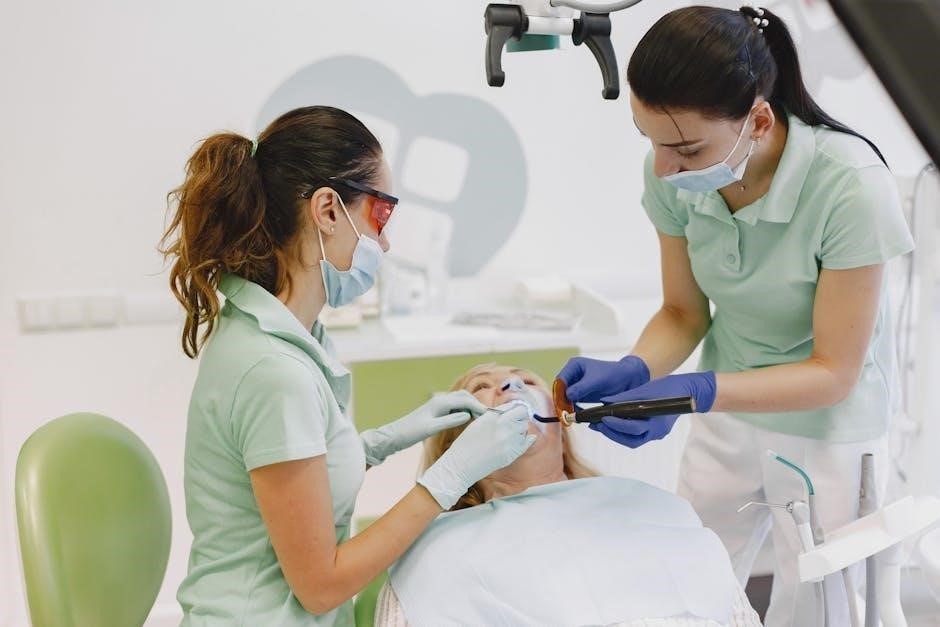
The product isn’t simply about aesthetics; it’s fundamentally about maintaining hygiene and extending the lifespan of your dental investments. Consistent use of Efferdent helps preserve the fit and comfort of dentures, retainers, and aligners, contributing to overall oral well-being and confidence. It’s a proactive step towards a healthier, brighter smile.
What is Efferdent?
Efferdent is a leading brand of effervescent cleaning tablets specifically formulated for dental appliances. These tablets are designed to be dissolved in water, creating a powerful cleaning solution that effectively removes stains, plaque, and odor-causing bacteria from dentures, retainers, aligners, and other removable dental devices.
Available in various formulations, including options with anti-bacterial properties and enhanced stain removal, Efferdent provides a convenient and thorough cleaning method. The tablets utilize a fizzy action to reach crevices and areas that brushing alone may miss, ensuring a comprehensive clean.
Efferdent isn’t a harsh abrasive; instead, it relies on chemical action to lift away debris, protecting the material of your dental appliance. It comes in different package sizes, including options like 126-count and 90-count packs, catering to varying usage needs and preferences, making it a staple in dental care routines.
Benefits of Using Efferdent
Efferdent offers numerous benefits for maintaining optimal oral appliance hygiene. Primarily, it effectively eliminates stubborn stains, restoring the original appearance of dentures, retainers, and aligners. Beyond aesthetics, Efferdent’s cleaning action removes plaque and bacteria, contributing to fresher breath and improved oral health.
The anti-bacterial formulations available provide an extra layer of protection, reducing the risk of infections and gum irritation. Using Efferdent is incredibly convenient – simply drop a tablet into water and soak, requiring minimal effort compared to manual cleaning methods.
Furthermore, Efferdent helps protect the quality and longevity of your dental appliances by gently cleaning without abrasive damage. Regular use can prevent the buildup of deposits that can lead to deterioration, ultimately saving you money on replacements and ensuring a comfortable, confident smile.
Types of Efferdent Products Available
Efferdent offers a range of products tailored to diverse cleaning needs. The most common is the classic Efferdent Denture Cleaner Tablets, available in various pack sizes, including 30, 60, and 126-count containers, providing a minty fresh clean. For enhanced protection, Efferdent Complete Clean Anti-Bacterial Dental Appliance Cleanser is available, offering a more robust defense against bacteria.
Specifically designed for retainers and aligners, Efferdent Retainer & Denture Cleaner Tablets deliver a specialized cleaning action, ensuring these delicate appliances are thoroughly sanitized. Some formulations include ingredients to combat tough stains, while others focus on providing a gentle, everyday clean.
Consumers can also find options with different scents or specialized features, catering to individual preferences. Exploring the Efferdent product line allows users to select the ideal solution for their specific dental appliance and cleaning requirements, ensuring optimal hygiene and care.

Step-by-Step Instructions for Use
Efferdent simplifies denture care: drop one tablet into warm water, fully submerging the appliance, and soak for approximately 15 minutes for optimal results.
Ensure thorough rinsing after soaking, and always follow package directions for safe and effective cleaning of your dental appliances.
Preparing the Cleaning Solution
Creating the ideal Efferdent cleaning solution is straightforward, yet crucial for optimal results. Begin by selecting a clean container – a glass or denture bath is perfect – ensuring it’s free from any residual soap or cleaning agents that could interfere with the cleaning process.
Next, fill the container with enough water to completely submerge your denture, retainer, or aligner. It’s vital to use water that is warm, but not hot. Hot water can potentially warp or damage certain dental appliances, so aim for a comfortably warm temperature.
Once the water is prepared, carefully drop one Efferdent tablet into the container. You’ll immediately notice effervescence as the tablet dissolves, releasing its powerful cleaning agents. Allow the tablet to fully dissolve before placing your dental appliance into the solution; this ensures even distribution of the cleaning power.
Remember, using the correct water temperature and allowing complete tablet dissolution are key steps in preparing an effective cleaning solution with Efferdent.
Water Temperature Guidelines
Maintaining the correct water temperature is paramount when using Efferdent denture cleaner. While warm water significantly enhances the cleaning process by activating the effervescent action of the tablet, exceeding optimal temperatures can be detrimental to your dental appliances.
Avoid using hot water. Excessive heat can cause warping, distortion, or even cracking of acrylic dentures, retainers, and aligners. The ideal temperature range falls between comfortably warm to lukewarm – similar to body temperature. This ensures effective cleaning without compromising the structural integrity of your dental work.
Using water that is too cold may hinder the tablet’s complete dissolution and reduce the effectiveness of the cleaning solution. Efferdent is formulated to work best with warm water, maximizing its stain-removing and antibacterial properties.
Always test the water temperature with your hand before adding the tablet and your appliance, ensuring it’s comfortably warm, not hot.
Tablet Dosage
Determining the correct Efferdent tablet dosage is crucial for optimal cleaning and the longevity of your dental appliances. Generally, one Efferdent tablet is sufficient for a standard cleaning cycle, regardless of whether you are cleaning dentures, retainers, or aligners.

Do not exceed the recommended dosage. Using multiple tablets in a single cleaning solution will not enhance the cleaning power and may, in fact, leave a residue on your appliance. This residue could potentially cause irritation or affect the taste of foods.
Ensure the water level is adequate to fully submerge the dental appliance. The tablet needs sufficient water to dissolve completely and create an effective cleaning solution. Always use enough warm water to cover the entire item being cleaned.

Follow the directions on the Efferdent packaging carefully. While one tablet is standard, variations in product lines may have slightly different instructions.
Soaking Time Recommendations
Efferdent’s effectiveness relies on adequate soaking time, allowing the effervescent action to thoroughly cleanse your dental appliance. For routine cleaning, a 10-15 minute soak is generally recommended, providing sufficient time to loosen debris and neutralize odors.
However, for appliances with more significant buildup or staining, extending the soaking time to up to 30 minutes can be beneficial. Do not soak for extended periods overnight, as prolonged exposure may potentially affect certain materials.
Regular, shorter soaks (10-15 minutes) 2-3 times per week are often preferable to infrequent, longer soaks. This consistent approach helps prevent the accumulation of stubborn stains and maintains optimal hygiene.
Always adhere to the manufacturer’s instructions provided on the Efferdent packaging, as specific product formulations may have varying recommendations. After soaking, rinse the appliance thoroughly under running water to remove any remaining residue.
Cleaning Different Dental Appliances
Efferdent effectively cleans dentures, retainers, aligners, and partials, offering a versatile solution for various dental needs, ensuring a fresh and hygienic experience.
Simply follow the instructions, utilizing warm water and a single tablet for optimal results across all compatible appliances.
Cleaning Dentures
Efferdent is exceptionally effective for cleaning full and partial dentures, removing stains and bacteria to maintain optimal oral hygiene. Begin by filling a glass or denture container with warm – not hot – water, ensuring enough liquid to completely submerge the dentures.
Carefully drop one Efferdent tablet into the water; the tablet will immediately begin to fizz, releasing its powerful cleaning agents. Place your dentures into the solution, making sure they are fully immersed. Allow the dentures to soak for at least 15 minutes, but longer soaking times (up to several hours) are generally safe and can provide a deeper clean.
For daily cleaning, a shorter soak may suffice, while weekly deep cleans benefit from extended soaking. After soaking, thoroughly rinse the dentures under running water to remove any remaining debris or cleaning solution. Avoid using abrasive cleaners, as these can damage the denture material. Regular Efferdent use helps prolong the life of your dentures and keeps them looking and feeling fresh.
Cleaning Retainers
Efferdent provides a convenient and effective method for cleaning both clear and wire retainers, removing plaque and odor-causing bacteria. Fill a clean container with warm – but not hot – water, ensuring the retainer will be fully submerged. Drop one Efferdent tablet into the water, and observe as it dissolves, creating a powerful cleaning solution.
Gently place your retainer into the effervescent solution, ensuring complete immersion. A soaking time of approximately 10-15 minutes is generally recommended, though a longer soak (up to 30 minutes) can be used for more thorough cleaning, 2-3 times per week.
After soaking, thoroughly rinse the retainer under cool, running water to remove all traces of the cleaning solution. Avoid using hot water, as it could warp the retainer. Always ensure the retainer is completely dry before storing it in its case. Consistent Efferdent cleaning helps maintain retainer hygiene and extends its lifespan.

Cleaning Aligners
Efferdent is a suitable option for cleaning clear aligners, effectively removing buildup and maintaining clarity. Begin by filling a clean container with warm – crucially, not hot – water, enough to completely submerge the aligners. Introduce one Efferdent tablet into the water, allowing it to fully dissolve and create a cleaning solution.
Carefully place your aligners into the solution, ensuring they are fully immersed. A soaking period of around 10 minutes is generally sufficient, though you can extend it to 15 minutes for a deeper clean. Avoid prolonged soaking, as it may affect the aligner material.
Once soaked, rinse the aligners thoroughly under cool, running water to eliminate any remaining residue. Inspect the aligners to confirm all traces of the solution are gone. Always dry aligners before placing them back in your mouth or storage case. Regular Efferdent use promotes aligner hygiene and optimal treatment progress.
Cleaning Partial Dentures
Efferdent effectively cleans partial dentures, removing food debris and stains while safeguarding the appliance’s integrity. Begin by ensuring your partial denture is placed in a container filled with comfortably warm – never hot – water, sufficient to fully cover the appliance. Introduce one Efferdent tablet into the water, allowing it to dissolve completely and form a potent cleaning solution.
Gently submerge the partial denture within the solution, ensuring all surfaces are contacted. A soaking duration of approximately 15 minutes is recommended for thorough cleaning, though adjustments can be made based on the level of buildup. Avoid exceeding recommended soaking times.
After soaking, meticulously rinse the partial denture under cool, running water to eliminate any residual cleaning solution. Inspect carefully to confirm complete removal. Proper rinsing is crucial. Dry the appliance thoroughly before storage or reinsertion. Consistent Efferdent use contributes to the longevity and hygiene of your partial denture.

Efferdent Ingredients and Safety
Efferdent contains active ingredients for effective cleaning, but potential allergens exist; always read the label; Keep out of children’s reach, and avoid ingestion.
Prioritize safety by following precautions and storing Efferdent securely, ensuring responsible use for optimal denture and appliance care.
Active Ingredients in Efferdent
Efferdent’s powerful cleaning action stems from a carefully formulated blend of active ingredients designed to tackle denture grime and maintain optimal oral appliance hygiene. Key components include sodium percarbonate, a potent oxidizing agent that effectively lifts stains and eliminates odor-causing bacteria, contributing to a fresh, clean feeling.
Additionally, Efferdent incorporates sodium bicarbonate, commonly known as baking soda, which aids in gentle abrasion to remove surface debris without damaging the denture material. Citric acid is also present, working synergistically with the other ingredients to enhance cleaning power and dissolve tough deposits. These components work together to provide a comprehensive cleaning experience.
Furthermore, the formula includes polyethyleneimine, which helps to prevent the re-attachment of loosened debris, ensuring a more thorough clean. The presence of these active ingredients makes Efferdent a reliable choice for maintaining the cleanliness and longevity of your dental appliances.
Potential Allergens
While Efferdent is generally considered safe for most users, it’s crucial to be aware of potential allergens within its formulation. Individuals with known sensitivities to percarbonates, a common oxidizing agent, may experience mild irritation or allergic reactions. Similarly, those sensitive to citric acid could encounter discomfort, though this is less frequent.
The presence of fragrance, specifically the minty fresh scent, represents another potential allergen for individuals with fragrance sensitivities. Although rare, allergic responses can manifest as skin irritation, itching, or even respiratory symptoms. It’s always advisable to review the complete ingredient list on the packaging before initial use.
If you have a history of allergies or experience any adverse reactions after using Efferdent, discontinue use immediately and consult with a healthcare professional. Thorough rinsing of the dental appliance after cleaning is recommended to minimize residue and potential allergen exposure.
Safety Precautions
Efferdent denture cleaner is designed for soaking dental appliances, and direct contact with skin and eyes should be avoided. If accidental contact occurs, rinse thoroughly with water and seek medical attention if irritation persists. Never ingest the cleaning solution, as it is not intended for consumption and can cause gastrointestinal distress.
Always use warm, not hot, water when dissolving the tablet, as hot water can release fumes. Ensure adequate ventilation during use. Do not mix Efferdent with other cleaning agents, such as bleach, as this could create hazardous chemical reactions.
Discard the cleaning solution immediately after each use and do not reuse it. Always rinse your dentures or appliances thoroughly with water after soaking to remove any remaining residue. Store Efferdent in a cool, dry place, away from moisture and direct sunlight, to maintain its effectiveness.
Keeping Efferdent Out of Reach of Children
Efferdent denture cleaning tablets, while effective, pose a significant risk to young children if ingested. The tablets contain chemicals that are not safe for consumption and can cause serious health problems, including gastrointestinal irritation and potential poisoning. Therefore, meticulous storage is paramount.
Always store Efferdent in a location that is inaccessible to children, such as a locked cabinet or a high shelf. Ensure the original packaging remains sealed when not in use to prevent accidental access. Clearly label the container with a warning indicating it is not a toy and contains harmful substances;
Supervise children closely when handling dentures or dental appliances that have been cleaned with Efferdent. Educate older children about the dangers of playing with or consuming cleaning products. In the event of accidental ingestion, contact a poison control center or seek immediate medical attention.

Advanced Cleaning Tips & Considerations
Efferdent tackles stubborn stains, but daily soaking and weekly deep cleans are vital for optimal hygiene and longevity of your dental appliances.
Thorough rinsing post-cleaning removes residue, while proper drying and storage prevent bacterial growth, ensuring a consistently fresh and clean experience.
Dealing with Stubborn Stains
Efferdent is designed to eliminate many common denture stains, but some discoloration may require extra attention. For persistent stains, consider extending the soaking time, ensuring the tablet fully dissolves in warm water.
While Efferdent provides antibacterial cleaning, it’s important to note that certain stains, particularly those caused by prolonged exposure to coffee, tea, red wine, or tobacco, might be more challenging to remove completely.
If stains persist after repeated treatments, consult your dentist for professional cleaning and advice. Avoid abrasive cleaning agents, as these can damage the surface of your dentures or other appliances.
Regular, consistent use of Efferdent as directed is the best preventative measure against stubborn stains, maintaining the brightness and cleanliness of your dental prosthetics. Remember to always follow the product’s instructions carefully.
Consider a pre-soak rinse to loosen debris before using Efferdent for heavily stained items.
Daily vs. Weekly Cleaning Routines
Establishing a consistent cleaning routine with Efferdent is crucial for maintaining optimal oral appliance hygiene. A daily rinse with cool water after each use removes loose debris and food particles, preventing buildup.
However, a more thorough cleaning with Efferdent is recommended several times a week – typically 2-3 times – to eliminate bacteria and stubborn stains. This involves a 10-15 minute soak in a solution created with one tablet and warm water.
Weekly deep cleaning ensures comprehensive disinfection and stain removal, protecting the longevity of your dentures, retainers, or aligners. Don’t skip the rinsing step after soaking!
Adjust the frequency based on individual needs and usage; those prone to staining may benefit from more frequent Efferdent treatments. Consistent application of both daily rinsing and weekly soaking provides the best results.
Remember, Efferdent complements, but does not replace, regular dental check-ups and professional cleanings.
Rinsing After Cleaning
Thorough rinsing following Efferdent cleaning is a non-negotiable step for ensuring your dental appliance is safe and comfortable for use. After the recommended soaking period, carefully remove the appliance from the cleaning solution.
Rinse it under cool, running water for at least 30 seconds, ensuring all traces of the cleaning solution are completely removed. Residual Efferdent can cause irritation or alter the taste of foods.
Pay particular attention to crevices and areas where the solution might accumulate. Inspect the appliance visually to confirm no visible residue remains.
Effective rinsing prevents potential sensitivity and ensures a pleasant experience when reinserting your dentures, retainers, or aligners. It’s a simple yet vital step often overlooked.
Always prioritize a complete rinse to safeguard your oral health and maximize the benefits of Efferdent’s cleaning power.
Drying and Storage of Cleaned Appliances
Proper drying and storage are crucial post-Efferdent cleaning to maintain hygiene and prolong the life of your dental appliance. After a thorough rinse under cool water, gently pat the appliance dry with a clean, soft cloth or paper towel.
Avoid abrasive materials that could scratch the surface. Ensure the appliance is completely dry before storing it to prevent bacterial growth and unpleasant odors.
For dentures and retainers, a dedicated, ventilated storage container is ideal. This allows air circulation and prevents moisture buildup.
Never store your appliance in a closed container while damp. Aligners should be stored in their original case when not in use, ensuring they remain clean and protected.
Consistent, careful drying and storage complement Efferdent’s cleaning action, contributing to optimal oral health and appliance longevity.

Troubleshooting Common Issues
Efferdent issues like incomplete dissolving, discoloration, or sensitivity can occur; ensure warm water and proper dosage are used for optimal results and appliance care.
Efferdent Not Dissolving Properly
If your Efferdent tablet isn’t dissolving as expected, several factors could be at play. The most common culprit is water temperature; Efferdent relies on warm water to activate its cleaning power, but avoid using hot water, as this can sometimes hinder the dissolving process. Ensure the water is comfortably warm to the touch, not scalding.
Another potential issue is the water’s volume. Make sure you’re using enough water to fully submerge your dental appliance, allowing the tablet ample space to dissolve and create a cleaning solution. Insufficient water can concentrate the tablet’s components, slowing down dissolution.
Occasionally, older tablets may experience reduced effervescence. While still effective, they might take longer to dissolve. If this happens, gently stir the solution to aid the process. If the tablet consistently fails to dissolve, even with warm water and sufficient volume, consider using a fresh package of Efferdent.
Finally, ensure the container you’re using is clean, as residue can sometimes interfere with the tablet’s reaction.
Discoloration of Dentures After Cleaning
Noticing discoloration on your dentures after using Efferdent can be concerning, but it’s often a temporary and easily addressed issue. The most frequent cause is the absorption of staining agents from foods, drinks (like coffee or tea), or smoking into the denture material itself. Efferdent helps lift these stains, but deeply embedded discoloration may require more intensive cleaning or professional attention.
Sometimes, discoloration appears as a slight cloudiness. This can occur if the dentures weren’t thoroughly rinsed after cleaning. Ensure you rinse them completely under running water to remove any residual cleaning solution.
Certain denture materials are more prone to staining than others. If discoloration persists despite proper cleaning and rinsing, consult your dentist. They can assess the denture material and recommend appropriate cleaning methods or polishing to restore their original appearance.
Regular, consistent cleaning with Efferdent can help prevent significant discoloration buildup over time.
Sensitivity After Using Efferdent
Experiencing sensitivity in your mouth after cleaning your dentures or appliances with Efferdent is uncommon, but possible. This sensitivity typically manifests as a mild irritation or soreness of the gums or oral tissues. It’s often temporary and related to the cleaning process itself, rather than an adverse reaction to the Efferdent ingredients.
Thorough rinsing is crucial. Residual cleaning solution can sometimes cause irritation. Ensure dentures are rinsed completely under running water after soaking. If sensitivity persists, discontinue use and rinse the appliance again, ensuring all traces of the cleaner are removed.
Individuals with sensitive gums or pre-existing oral conditions may be more susceptible. If the sensitivity is severe or prolonged, consult your dentist. They can evaluate the cause and recommend appropriate remedies or alternative cleaning solutions.
Efferdent is generally well-tolerated, but proper rinsing and attention to individual sensitivity levels are key.
Effectiveness on Different Materials
Efferdent is formulated to effectively clean a wide range of dental appliance materials, including acrylic, metal, and certain types of plastic commonly used in dentures, retainers, and aligners. However, its effectiveness can vary slightly depending on the specific material composition and the type of staining present.
For acrylic dentures, Efferdent excels at removing plaque, food debris, and surface stains, restoring brightness. Metal components are also effectively cleaned, preventing corrosion and maintaining structural integrity. When cleaning retainers and aligners, it’s crucial to follow the manufacturer’s guidelines, as some materials may be more sensitive.
While Efferdent tackles most common stains, heavily pigmented substances like coffee or red wine may require longer soaking times or more frequent cleaning. Always check your dental appliance’s care instructions to ensure compatibility with Efferdent.