Manual pad printing, showcased in applications like those from demsli.by, is a versatile technique for transferring designs onto diverse materials.
What is Manual Pad Printing?
Manual pad printing is an indirect printing process, meaning the image isn’t directly applied to the substrate. Instead, it utilizes a silicone pad to transfer ink from an etched plate onto a three-dimensional object. This technique excels at printing on irregular surfaces, a capability highlighted in application examples found on sites like demsli.by.
It’s a favored method for small parts and intricate designs.
History and Evolution of Pad Printing
Pad printing’s origins trace back to the late 1920s, initially developed for marking promotional items. Early iterations were rudimentary, relying on manual operation and simple plate etching techniques. Over time, the process evolved, driven by the need for more precise and efficient printing solutions, as showcased in modern applications like those detailed on demsli.by.
Today, both manual and automated systems exist, catering to diverse production needs.
The Pad Printing Process: A Detailed Breakdown
Manual pad printing involves transferring ink from an etched plate to a silicone pad, then onto the substrate – a process seen in applications from demsli.by.
Preparing the Printing Plate
Creating the printing plate is a crucial first step in manual pad printing. Typically, these plates are made of photopolymer material, requiring precise etching to define the image area. The design is initially transferred to a film positive, then exposed onto the photopolymer plate using UV light.
Ink Selection for Pad Printing
Choosing the right ink is paramount for successful manual pad printing. Inks are specifically formulated for adhesion to various substrates – plastics, metals, and promotional items, as seen in demsli.by applications. Common ink types include solvent-based, UV-curable, and water-based options.
Solvent-based inks offer strong adhesion but require careful ventilation. UV-curable inks provide durability and fast drying times with UV exposure. The ink’s viscosity and pigment load must be appropriate for the plate etching depth and pad durometer. Selecting an ink compatible with the substrate and printing process ensures optimal print quality and longevity, avoiding issues like smearing or poor adhesion.
The Pad: Material and Durometer
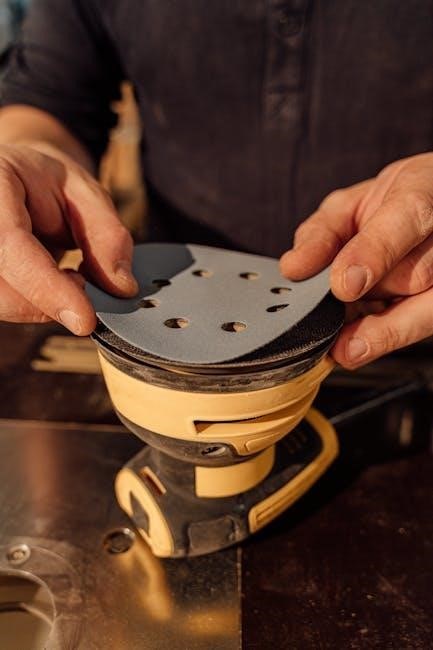
The printing pad is a critical component in manual pad printing, acting as the intermediary between the etched plate and the substrate. Pads are typically made from silicone, known for its elasticity and solvent resistance. Pad durometer, measured on the Shore A scale, indicates hardness; lower durometer pads are softer and conform better to irregular surfaces.
The Printing Cycle: Step-by-Step
The manual pad printing cycle involves several key steps. First, ink fills the etched areas of the printing plate. A doctor blade then removes excess ink, leaving ink only within the design. The pad presses onto the plate, picking up the ink from the etched areas.

Components of a Manual Pad Printer
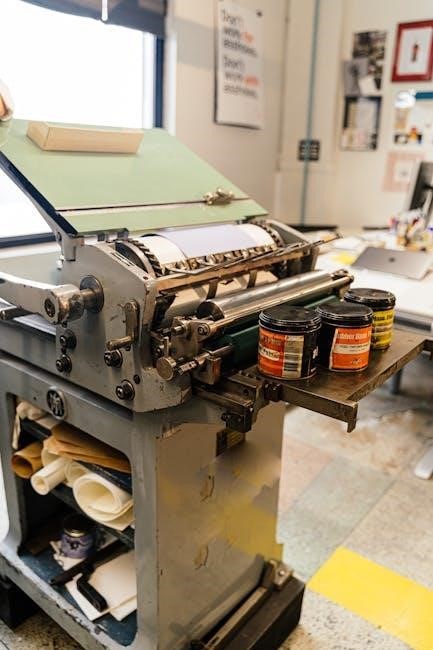
Manual pad printers consist of an inkwell, plate holder, pad adaptor, and base. These elements, as shown in application examples from demsli.by, work together for precise printing.
The Inkwell and Ink Control System
The inkwell in a manual pad printer is the reservoir holding the printing ink, crucial for consistent image transfer, as seen in various demsli.by applications.
The ink control system, often a simple yet effective mechanism, regulates ink flow onto the printing plate. This system typically involves a blade or roller that meters the ink, preventing over-saturation or starvation. Precise control is vital for clean, sharp prints, avoiding smearing or faint impressions.
The Printing Plate Holder
The printing plate holder is a critical component of a manual pad printer, securely clamping the etched plate containing the desired image. Precision is key; the holder must maintain accurate plate positioning for consistent print registration, as showcased in applications from demsli.by.
Typically constructed from metal, the holder features adjustable clamps or screws to accommodate plates of varying thicknesses. Fine-tuning adjustments allow for precise alignment with the pad and substrate.
The Pad Adaptor and Positioning
The pad adaptor is a crucial element in a manual pad printer, connecting the printing pad to the machine’s reciprocating arm. Its design allows for precise control over pad movement and pressure, vital for consistent image transfer, as seen in applications from demsli.by.
Positioning is paramount; the adaptor enables adjustments in X, Y, and Z axes, ensuring optimal contact between the pad, printing plate, and substrate. This fine-tuning is essential for achieving accurate registration and preventing smudging.
The Base and Adjustment Mechanisms
The base of a manual pad printer provides a stable foundation for all other components, ensuring consistent printing results. Robust construction minimizes vibration, crucial for detailed image transfer, as demonstrated in applications from demsli.by.
Adjustment mechanisms are integral to precise setup. These typically include controls for plate height, squeegee angle, and ink flow. Fine-tuning these parameters is essential for optimal ink laydown and preventing common issues like smearing or poor adhesion.

Applications of Manual Pad Printing
Manual pad printing excels at decorating plastics, metals, and promotional items, like those seen on demsli.by, and even intricate electronic components.
Printing on Plastics
This technique is frequently employed for branding, labeling, and functional marking on plastic products like toys, containers, automotive parts, and electronic enclosures. The adaptability of pad printing allows for vibrant, durable prints that withstand typical wear and tear. Furthermore, specialized inks are available to ensure excellent adhesion and resistance to chemicals and abrasion, crucial for plastic applications.
Printing on Metal
This technique is commonly used for marking serial numbers, logos, and safety information on metal components. Specialized metal adhesion inks are essential to ensure durability and resistance to abrasion and corrosion. Pad printing’s ability to conform to curved or textured metal surfaces makes it ideal for intricate designs and challenging geometries.
Printing on Promotional Products
Its ability to print on irregular shapes and surfaces makes it perfect for customizing promotional items. The process allows for vibrant, durable prints, ensuring brand visibility. Pad printing’s cost-effectiveness is particularly beneficial for large-scale promotional campaigns, making it a preferred choice for businesses seeking impactful marketing materials.
Printing on Electronic Components
Specialized inks are employed to ensure conductivity or resistance as needed, and the process must adhere to strict quality control standards. Pad printing’s adaptability and relatively low cost make it a favored method for efficiently marking electronic parts during manufacturing.

Advantages and Disadvantages of Manual Pad Printing
Manual pad printing offers cost-effectiveness and versatility, seen in applications from demsli.by, but is limited by slower speeds and setup times.
Cost-Effectiveness of Manual Pad Printing
Manual pad printing stands out as a remarkably cost-effective solution, particularly for businesses initiating production or managing smaller print runs. Compared to alternative methods like screen printing or digital printing, the initial investment for a manual pad printing setup is significantly lower. As demonstrated by applications showcased on sites like demsli.by, the equipment itself is relatively inexpensive.
Furthermore, the cost per print is minimized due to the efficient use of ink and the durability of the printing plates. While automation increases speed, manual operation reduces overhead costs associated with complex machinery and specialized technicians. This makes it an ideal choice for promotional items, as seen in various applications, and for businesses prioritizing affordability without sacrificing print quality.
Limitations of Manual Pad Printing
Furthermore, pad printing is generally best suited for relatively flat surfaces; highly curved or textured surfaces can present difficulties in achieving proper ink transfer. While versatile, it may not be the optimal choice for all substrates or design complexities.
Troubleshooting Common Pad Printing Issues
Pad printing challenges, like smearing seen in application examples from demsli.by, require careful diagnosis. Issues include poor transfer or pad damage needing swift correction.
Ink Smearing and Blurring
Ink smearing and blurring during manual pad printing often indicate several underlying issues. A common culprit is insufficient ink drying time, especially with certain ink formulations used in applications like those showcased on demsli.by.
Furthermore, a worn or damaged printing pad, failing to release ink cleanly, will cause smearing. Adjusting ink viscosity, reducing ink flow, and ensuring a properly maintained pad are crucial steps for resolution.
Poor Ink Transfer
Poor ink transfer in manual pad printing results in faint or incomplete prints. Several factors can contribute to this issue, impacting the quality of applications like those detailed on demsli.by.
Properly adjusting pressure, verifying plate etching, and maintaining pad pliability are essential for optimal ink transfer.
Pad Damage and Wear
Pad damage and wear are common concerns in manual pad printing, directly affecting print quality, as seen in applications discussed on demsli.by. Frequent use and harsh solvents degrade the pad’s elasticity, leading to inconsistent ink transfer and distorted images.
Regular pad replacement, using compatible solvents, and careful handling are crucial for maintaining consistent print results and preventing damage.
Registration Problems
Registration problems in manual pad printing, often encountered during applications like those detailed on demsli.by, occur when subsequent colors or design elements don’t align correctly. This misalignment results in blurry or inaccurate prints, impacting the final product’s aesthetic.
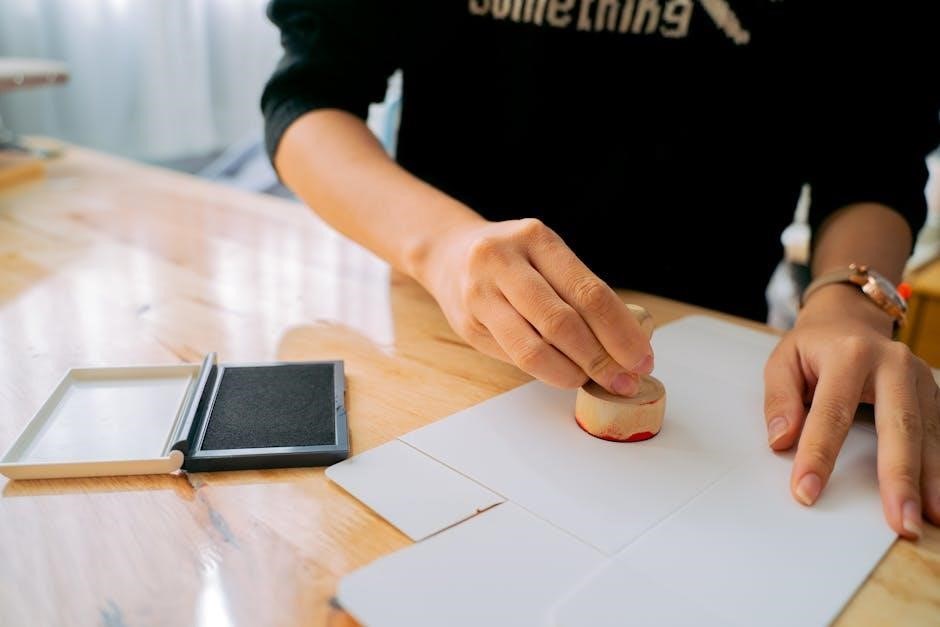
Consistent pad positioning and secure workpiece fixturing also contribute to accurate registration.

Maintaining Your Manual Pad Printer
Regular maintenance, crucial for consistent performance like applications on demsli.by, involves daily cleaning and scheduled inspections, ensuring optimal printing quality.
Daily Cleaning Procedures
Consistent daily cleaning is paramount for maintaining the precision of your manual pad printer, ensuring quality similar to applications seen on platforms like demsli.by. After each use, immediately remove any residual ink from the inkwell and the printing plate using a compatible solvent.
Regular Maintenance Schedule
Establish a routine maintenance schedule for your manual pad printer to ensure longevity and consistent performance, mirroring the precision needed for applications showcased on demsli.by. Weekly, inspect and tighten all screws and bolts, and lubricate moving parts.
Pad Replacement Guidelines
Regular pad replacement is crucial for maintaining print quality in your manual pad printer, especially when dealing with detailed applications as seen on demsli.by. Inspect the pad after every 500-1000 impressions, or more frequently with aggressive inks.

Safety Precautions for Pad Printing
Always prioritize safety when operating a manual pad printer. Handle inks and solvents with care, ensuring adequate ventilation, as detailed in application guides from demsli.by.
Handling Inks and Solvents
Ink and solvent safety is paramount when using a manual pad printer. Always work in a well-ventilated area to avoid inhaling harmful fumes, referencing application examples from demsli.by for best practices. Wear appropriate personal protective equipment (PPE), including gloves and eye protection, to prevent skin and eye irritation.
Carefully read and understand the Safety Data Sheets (SDS) for all inks and solvents used. Store these materials in properly labeled containers, away from heat sources and open flames. Dispose of waste inks and solvents according to local regulations. Avoid contact with skin and clothing; if contact occurs, wash immediately with soap and water; Proper handling minimizes risks associated with these chemicals.
Machine Safety Procedures
Prioritize safety when operating a manual pad printer. Before starting, ensure the machine is on a stable, level surface. Always disconnect the power supply before performing any maintenance or adjustments, referencing application insights from demsli.by. Keep hands and fingers clear of moving parts during the printing cycle.
Never attempt to modify or bypass safety features. Regularly inspect the machine for worn or damaged components, and replace them promptly. Be aware of the pinch points and potential hazards. Familiarize yourself with the emergency stop mechanism and know how to use it effectively. Following these procedures ensures a safe working environment.

Future Trends in Pad Printing Technology
Despite the rise of digital printing, manual pad printing continues to evolve. We anticipate increased integration of automation to enhance precision and reduce operator fatigue, building upon applications seen at demsli.by. Expect advancements in pad materials, offering improved solvent resistance and longevity.
Furthermore, eco-friendly ink formulations are gaining prominence, minimizing environmental impact. Developments in plate-making technology will likely lead to finer detail reproduction. Hybrid systems, combining manual operation with automated features, may become more common. These trends aim to improve efficiency, sustainability, and print quality within the pad printing process.